The Food Choices That Change How You Land
Eating for performance in the air and recovery at night
There was a time when I used to finish a flight not only looking tired, but also bloated enough to look pregnant. Same uniform, same route, same duty length, yet by the end of the flight my body felt heavy, swollen, and uncomfortable. At the time, I blamed flying itself. Later, I realised it had far more to do with what I was eating than with flying itself (and not with passenger behaviour either, however tempting that explanation was).
At some point, I started paying closer attention to food and how it showed up in my body during flying days. Not surprisingly, colleagues began asking how I managed to land without feeling bloated, puffy, or completely drained. The flights hadn’t changed. What I ate around them had.
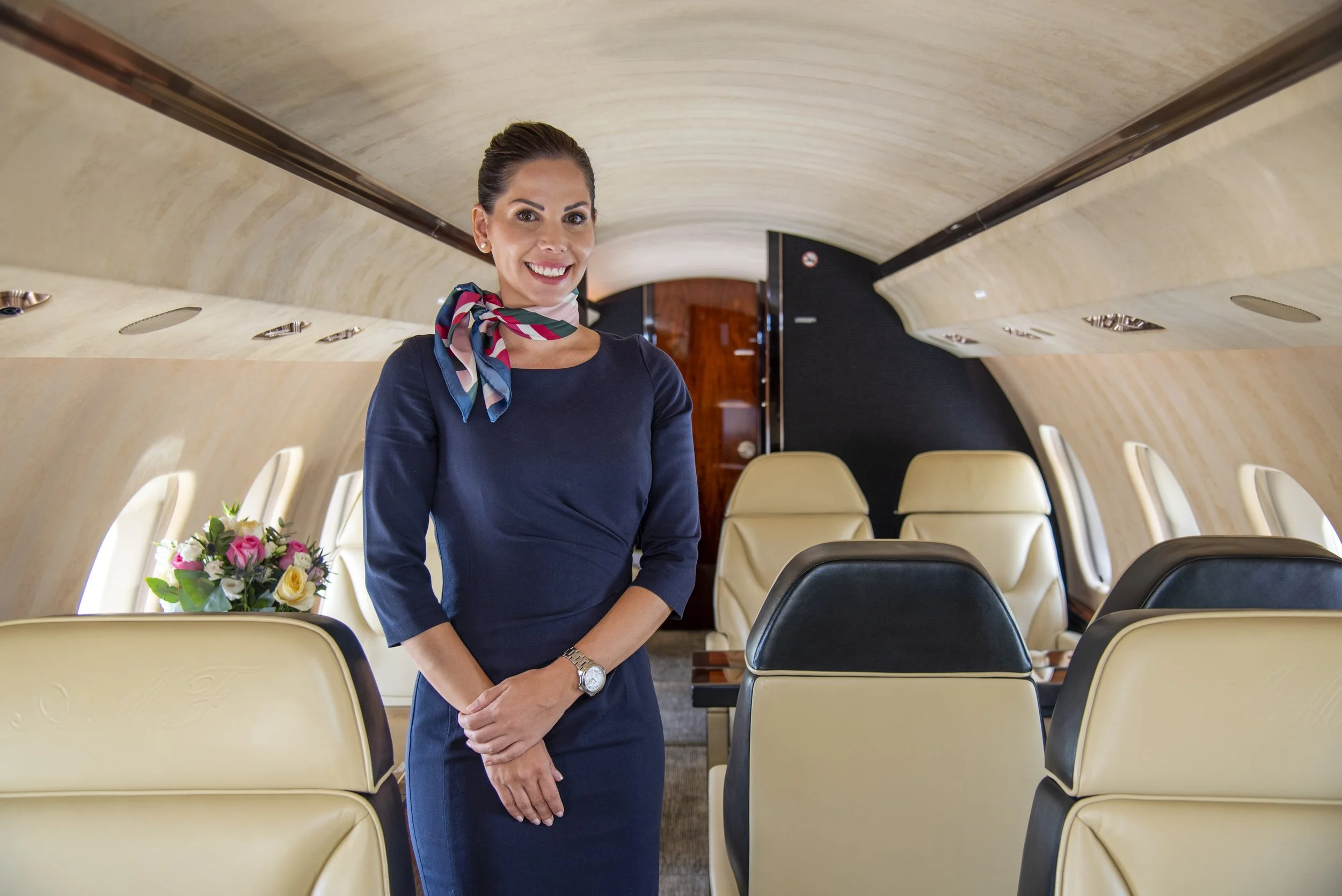
Dresses are my go-to when I fly. Elegant, comfortable and easy.
They also have zero tolerance for in-flight bloating.
Before a flight, I learned to keep things simple. Flying already puts the body into a heightened state. Anyone who has dealt with additional passengers or last-minute catering changes two hours before departure knows that the system does not need extra stimulation. Heavy meals and sugar only made that worse.
What worked better before duty was familiar food. Some protein, healthy fat, and just a bit of carbohydrates. Eggs, smoked salmon, yoghurt, chicken and veggies. Food that sits well and doesn’t demand attention. Protein, in particular, made a noticeable difference to how steady my energy felt as the day went on.
Hydration is equally important. Cabin air dries everything out, and water alone often wasn’t enough. Fluids with some minerals tended to feel more supportive. I’ve written more about hydration in flight separately.
After a flight, the body needed something else. Warm food, moderate portions, and slower carbohydrates worked better than skipping meals or eating randomly. Rice or sweet potatoes, hearty soups, yoghurt, vegetables, oats, or a simple bowl with lentils or chickpeas. These meals tend to settle the system rather than excite it.
They also happen to contain tryptophan, which the body uses later on when it moves toward sleep. Tryptophan isn’t a sleep hormone, just a building block, and it comes from very normal foods like dairy, eggs, poultry, fish, legumes, oats, seeds, and nuts.
Going to bed hungry is not such a good idea. I am guilty of that. It pushes cortisol back up and keeps the system alert when it should be winding down. A small, light meal usually leads to better sleep than skipping food altogether.
Some foods support this shift toward rest in a more subtle way. Leafy greens, nuts, seeds, and legumes provide magnesium, which plays a role in nervous system calming and muscle relaxation. Chamomile tea contains apigenin, a compound associated with relaxation and sleep readiness. Collagen-rich soups provide glycine, which has been linked with deeper sleep and better temperature regulation overnight.
Alcohol, although tempting after a long duty, often disrupts this process by impacting the quality of sleep. It deserves a deeper conversation of its own, and I will be writing more about alcohol, sleep, and flying in a separate post.
One point that often gets missed is that there is no single perfect list of foods. What supports sleep for one person may cause bloating or digestive discomfort for another. Some foods commonly described as calming or sleep-supportive simply do not suit everyone, especially in a flying context where digestion is already challenged.
This is why an individual approach is so important. Finding food that supports performance and sleep is less about rules and more about noticing patterns, understanding how your own body responds, and adjusting accordingly. The principles remain the same, but the details look different for each person. Over time, these small, personal adjustments add up.
There is no universal formula, only patterns you start to recognise in your own body. Flying is demanding by nature. Eating in a way that supports your own biology doesn’t make it perfect, but it does make it more sustainable, flight after flight.
Eat well.
Ivana