Drinking Water vs. Hydration
If I had a penny for every time I heard, “Drink more water,” “Stay hydrated,” “Make sure you’re drinking enough,” I could probably buy a bottle of water. Or ten.
It’s in training manuals, briefing rooms, and all over social media.
And yet, many of us know this feeling well. You finish a long sector, you’ve emptied two or three bottles of water, and still something feels off. Your skin feels dry. Your head feels heavy. Your energy is flat. Your focus isn’t quite there. That’s because drinking water and being hydrated are not the same thing.
Hydration isn’t about how much water you drink. It’s about how much of that water actually gets into your cells and stays there.
Your body is made of about sixty percent water. Every cell needs water to make energy, regulate temperature, support immunity, and keep your brain switched on. Water works like an internal delivery system. It brings nutrients in and helps move waste out. When that delivery slows down, you feel it. You feel more tired than usual. Your skin feels tight. Headaches show up more easily. Thinking feels slower.
At a cellular level, water moves in and out of your cells through tiny channels in the cell membrane called aquaporins (water pores - cool, isn’t it?). These channels help keep cells balanced and working properly. When hydration is good, cells stay full and responsive. When water intake drops, or when you’re in a very dry environment like an aircraft cabin, cells lose water. They shrink slightly and slow down.
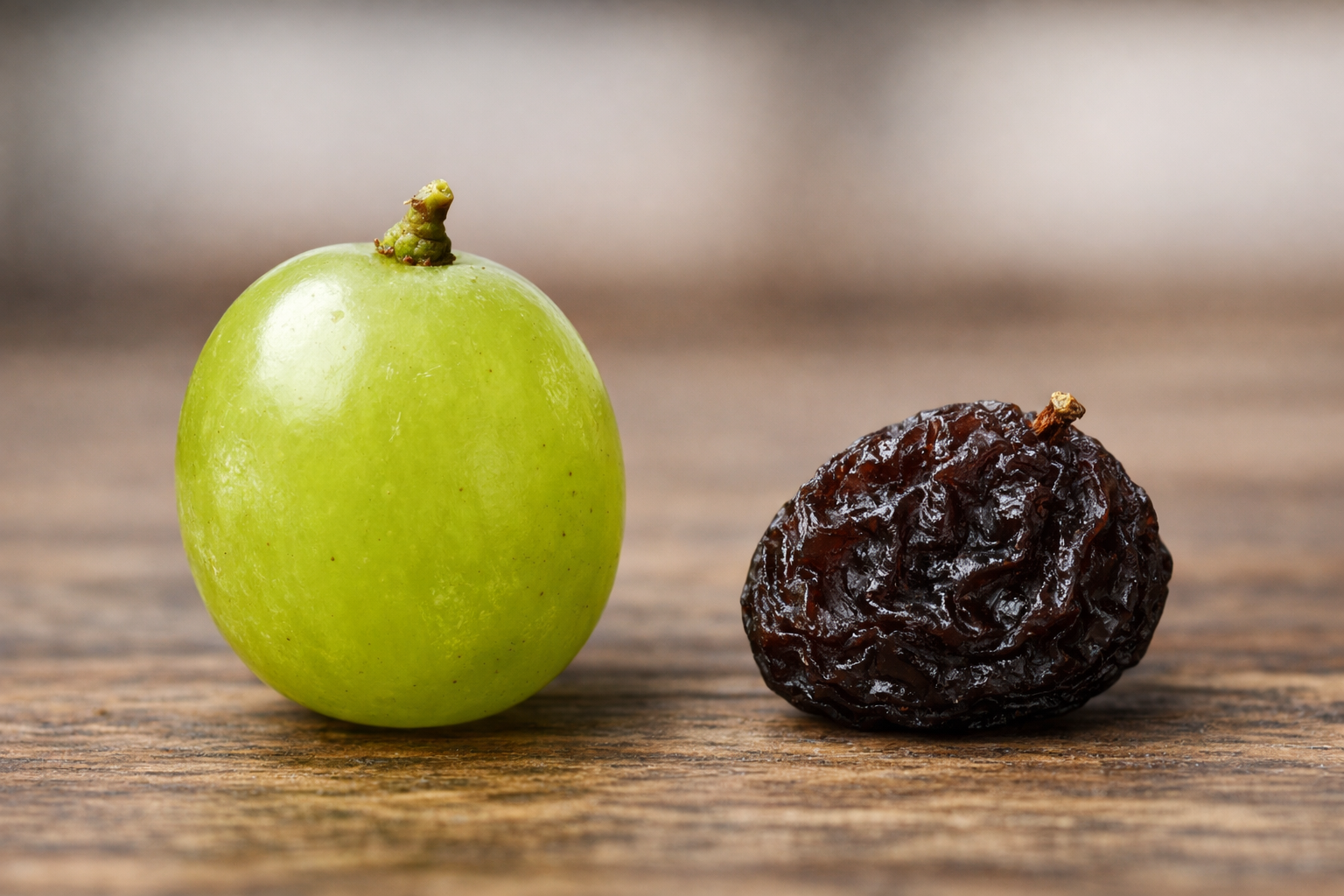
A simple way to picture this is the difference between a grape and a raisin. Same grape. One hydrated, one not. That’s essentially what dehydration does to your cells.
What many people don’t realise is that even mild dehydration can affect how you function. Losing just one to two percent of your body’s water can slow reaction time and affect focus. You may not feel obviously dehydrated, but you might feel less sharp, more tired, or more irritable.
Another important piece is that not all fluids hydrate the same way. Water alone is not always enough. Your body needs electrolytes to hold onto water and guide it into your cells. Minerals like sodium, potassium, and magnesium play a role in that process. Without them, water can pass through quickly without really hydrating you.
And then there’s the Middle East reality for us who are fortunate to call this home. Proper mineral water often costs a small fortune, and what’s usually on offer is “bottled drinking water”. Very clean. Very clear. Very official. Promises hydration, delivers vibes only. It’s been filtered, purified, cleaned, polished, and stripped of almost everything useful along the way. So you drink bottle after bottle, visit the bathroom every thirty minutes, and still feel dry, flat, and tired.
When mineral water isn’t an option, which is often the case for crew in this region, hydration becomes less straightforward than we’re led to believe. It’s no longer just about drinking more. Small details start to matter. The right electrolytes, timing, balance, what you eat, how much caffeine you have, and even how stressed or fatigued your body is all influence whether water actually reaches your cells.
When hydration is tailored to your body, your flying pattern, and your real life, the difference is noticeable. More stable energy, clearer focus, better skin, fewer headaches, and less of that constant dry and drained feeling. Hydration stops being something you guess at and becomes something that actually supports you.
Simple. Practical. Real life. Just how it should be.
Stay hydrated.
Ivana