Alcohol: You Are Not Relaxing, You Are Numbing Yourself to Sleep
You’re waiting to check in at the hotel. Your colleague looks at you and says, “See you at the bar in half an hour.”
Sounds familiar?
For many crew, that moment does not feel like a choice. It feels like a natural next step, a way to come down after a long duty. The familiarity of the ritual is exactly what makes it powerful, and exactly what makes it rarely questioned.
Alcohol can soften the edges in the moment. It slows the body just enough and creates that familiar feeling of finally unwinding. That effect is convincing because alcohol presses the nervous system’s mute button for a while. As Dr Andrew Huberman explains, this is not the same as the system settling or recovering. It is more like turning the volume down temporarily. Once the alcohol is processed in the body, the nervous system tends to switch back on later in the night, often at the exact time we should be sinking into its deepest, most restorative sleep.
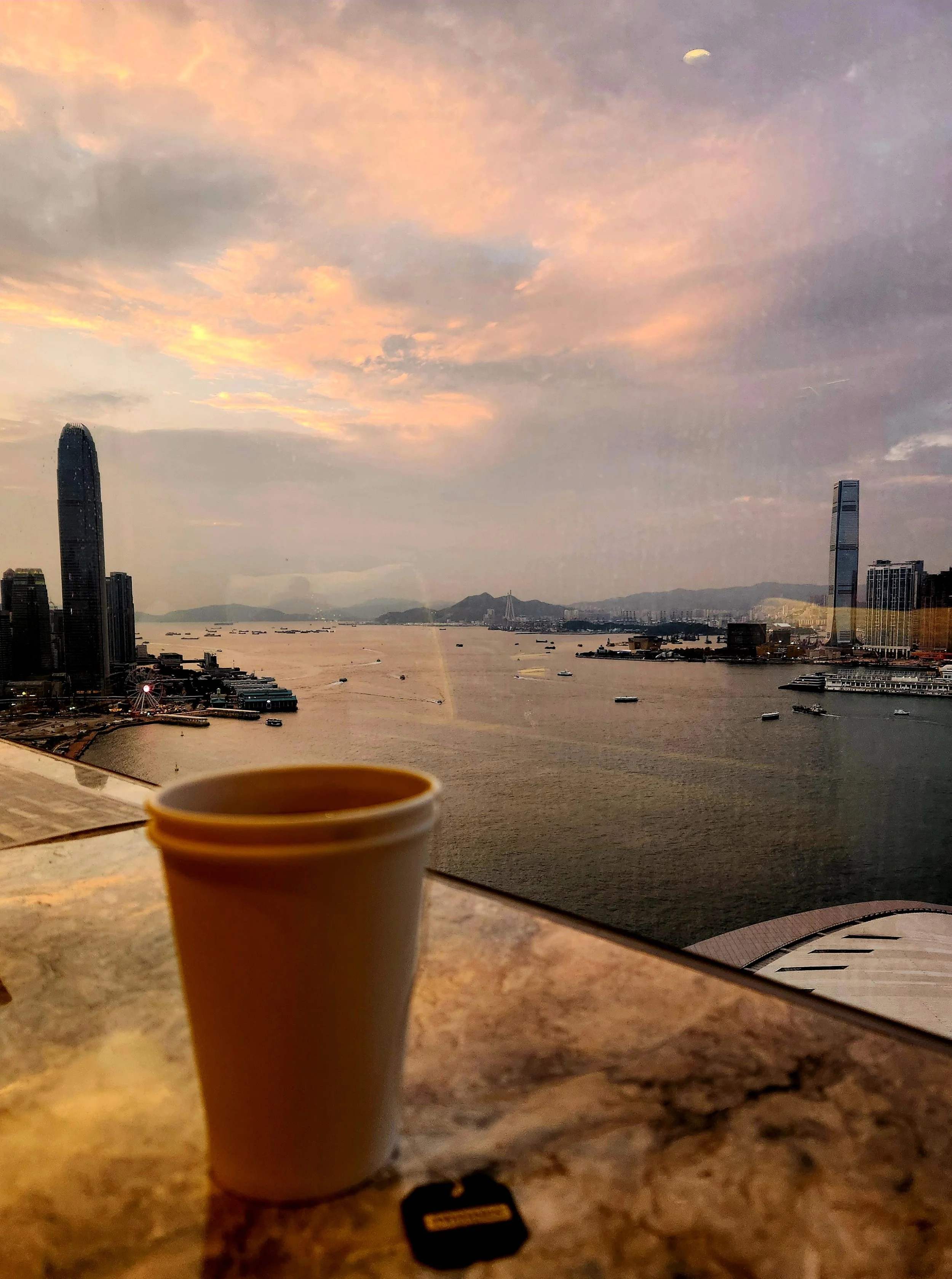
A tea with a view. My drink of choice after a long flight. Renaissance, Hong Kong.
Research published in journals such as Sleep Medicine Reviews and Alcohol Research and Health consistently shows that alcohol alters sleep architecture, particularly by reducing REM sleep, the phase closely linked with emotional processing, memory consolidation, and psychological resilience. Systematic reviews describe increased sleep fragmentation (“broken sleep“) following alcohol consumption, with frequent micro-awakenings occurring even when individuals believe they slept through the night. As alcohol leaves the system, nervous system activity rises, which many people experience as lighter sleep, early waking, or a sense of restlessness the following day.
Beyond physiology, there is another layer that deserves attention.
I have personally seen crew sign on for duty, be selected for a random alcohol test, and walk out of the crew room holding that familiar piece of paper, crying, fully aware that their career had ended before the flight even began. I have seen someone lose a job over two beers. These are not stories passed around or warnings used in crew training to scare people. They are moments that stay with you because they happen in real time, to colleagues you have worked with, laughed with, shared flights with.
There are well-documented cases of pilots and cabin crew losing their jobs after reporting for duty over the permitted alcohol limit or failing pre- or post-flight testing. In some situations, employment ends immediately. In others, licences are suspended, medical certification is affected, or investigations unfold over months, often reshaping professional lives permanently. While outcomes vary depending on airline, country, and circumstance, alcohol repeatedly appears as a factor with consequences that go beyond poor sleep. In an industry built on safety, trust, and responsibility, alcohol occupies a very different space than it does elsewhere.

Longer layovers in private aviation give the body time to rest. In that space, a glass of wine shared with the crew can feel very different. Mexico City.
For those who enjoy a glass of wine or a beer, enjoyment still has its place. Many people notice that alcohol is tolerated more comfortably when they are well rested, properly hydrated, and when it is consumed earlier in the evening, about 4-6 hours before sleep. Context, timing, and intention shape how the body responds far more than the drink itself.
The problem is when alcohol stops being a choice and starts functioning as a tool, used to take the edge off stress, manage emotions, or numb the body after duty.
When people consciously choose not to drink after long or late flights, the change they describe is subtle but meaningful. They do not necessarily wake up feeling exceptional; simply, the morning after feels less hard to get through. Days become less foggy, emotional regulation is steadier, and over time, you genuinely start to feel better, not just well rested.
Recovery does not need to be dramatic to be effective. The body often responds best to simple support, hydration, nourishment, a chance for the nervous system to settle, and sleep that is allowed to arrive on its own.
Next time you are waiting to check in at the hotel and that familiar question comes up, create a space for a pause, for another option, for listening a little more closely to what your body actually needs in that moment.
And, if this post creates that moment, even once, then it has done what it needed to do.
Rest well.
Ivana