Melatonin. What It Is And What Isn’t
Exhausted but unable to sleep. Wide awake when you shouldn’t be. Struggling to wake up when you need to. Melatonin often enters the conversation at that point, usually as a supplement someone recommends after a tough roster. But melatonin was never meant to be a quick fix, and in aviation, it is often not even an option.
According to sleep researcher Matthew Walker, melatonin is not a solution you add at night. It is a signal your body has been producing throughout your life, long before supplements, bright screens, and late evenings became part of daily routine.
Your circadian rhythm is your internal 24-hour clock. It is the system that tells your body when to be alert, when to rest, and when to recover. It runs quietly in the background, but in aviation, it is challenged more often than in most professions.
This rhythm is shaped primarily by light and timing, not by willpower. Melatonin and cortisol are two hormones that help carry its message through the day and night. Think of circadian rhythm as the schedule your body wants to follow, even when your roster says otherwise.
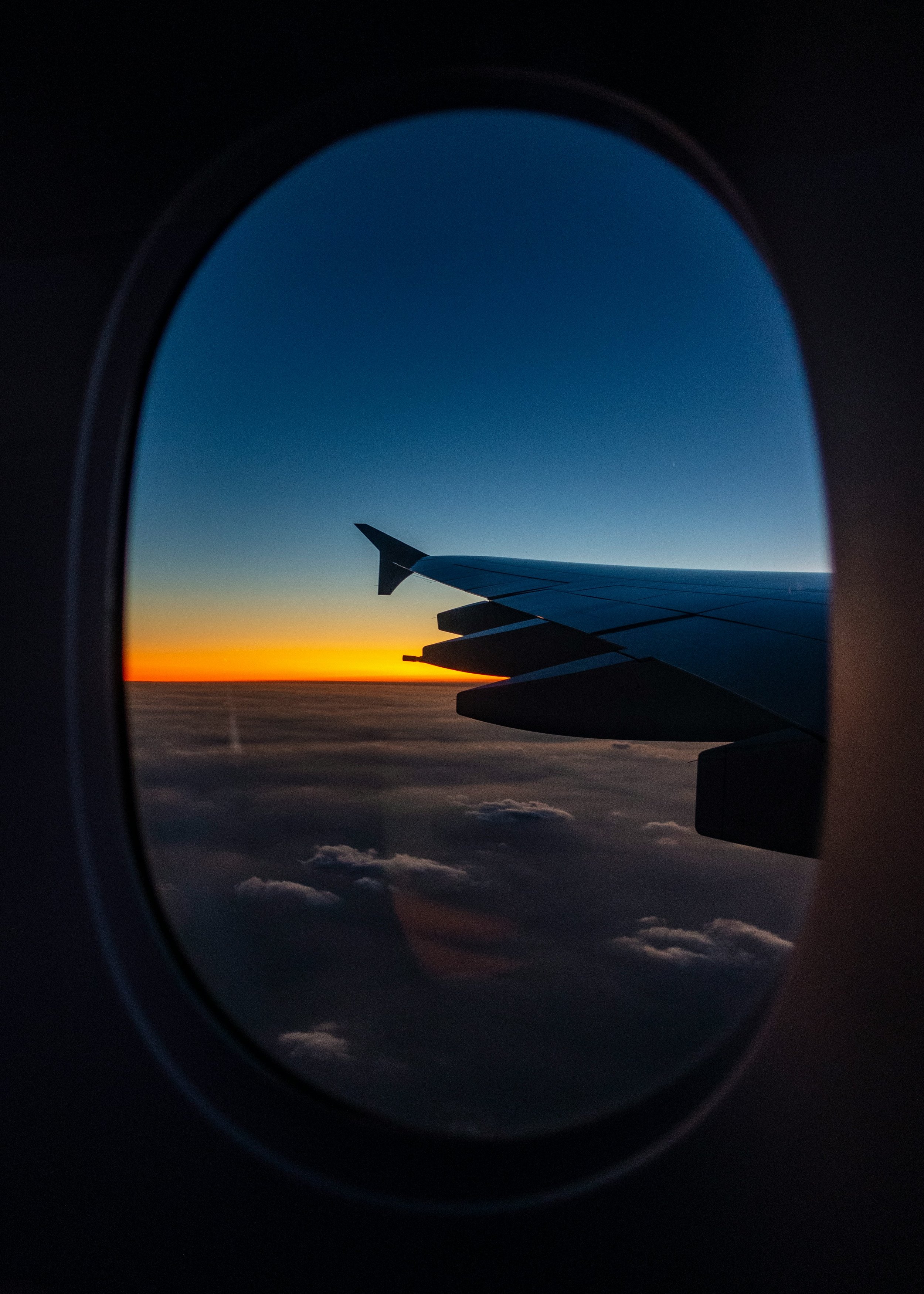
Some of the most beautiful sunrises I’ve seen were paid for with very little sleep
Why do we wake up in the morning (even without an alarm)?
Cortisol often gets a bad reputation, especially when people talk about stress. But in a healthy circadian rhythm, cortisol is not the problem. It is the reason you wake up. In the early morning hours, cortisol naturally rises. This rise helps increase alertness, mobilise energy, sharpen reaction time, and prepare the brain for decision-making. When cortisol rises in the morning, melatonin falls. This handover is what allows the body to transition from sleep into wakefulness.
What melatonin is
Melatonin is a timing signal within the circadian system. Its role is to tell your body that it is night and that recovery mode can begin. As darkness increases, melatonin starts to rise. The body begins shifting away from performance mode. Body temperature lowers, alertness softens, and the brain moves toward repair and memory processing. Melatonin does not force sleep. It creates the conditions where sleep can happen. This is particularly important in aviation because even when melatonin rises, sleep may still be difficult. Hotel noise, unfamiliar beds, time zone changes, or elevated cortisol after a demanding duty can all interfere. The signal is there, but the system is still on alert.
What melatonin is not
Melatonin is not a sleeping pill, and it is not a guarantee of good sleep. It does not generate sleep pressure, it does not override stress, and it cannot compensate for a nervous system that is overstimulated or misaligned. This is why people can feel deeply tired (“tired but wired”) and still struggle to fall asleep.
This is not a failure of melatonin. It is often a sign that cortisol is still elevated when it should be falling. When cortisol remains high into the evening, melatonin struggles to rise properly. The circadian rhythm receives mixed signals. Biologically, it is night. Hormonally, it is still day. Understanding this removes a lot of self-blame. Nothing is “wrong” with you. Your system is simply confused.
Working in aviation changes the way you have to think about sleep. It’s not just about what helps you fall asleep faster; it’s about what allows you to rest without compromising alertness, clarity, or safety the next day. Sometimes that support is very simple. A warm herbal tea in the evening, particularly chamomile, can help signal that the day is ending.
Magnesium is another support that often comes up in this context. Not considered a sleep aid, but a way to help the body release some of the physical tension that builds after long duty days, multiple sectors, or time zone changes.
Beyond supplements or teas, sleep is also shaped by the environment you give your body to rest in, whether that is at home or in a hotel room. Light, noise, and temperature all influence how easily the nervous system can switch off. Optimising sleeping conditions is often one of the most effective and overlooked ways to support rest in aviation, and it deserves its own dedicated conversation, which I’ll explore in a separate post.
Until then - sleep well.
Ivana
Disclaimer
This article is for educational purposes only and reflects general sleep science principles. It is not intended as medical advice. Pilots and cabin crew should always follow their airline’s policies and consult an Aviation Medical Examiner before using any supplement, herbal product, or sleep aid. Fitness for duty and regulatory requirements must always take priority.