Why your go‑to “zero sugar fizz” might not be as harmless as you think.
I am not sure if you spotted the same, but after many years of flying, I can say that the favourite drink in the cockpit is famous zero-calorie fizzy drink. In some private operations I worked on, it was considered almost a no-go item :) That habit got me thinking about what we’re really drinking.
It is cold, fizzy and sweet. If you care about health, body weight, sleep and recovery, it may seem like a safe choice. But is it really?
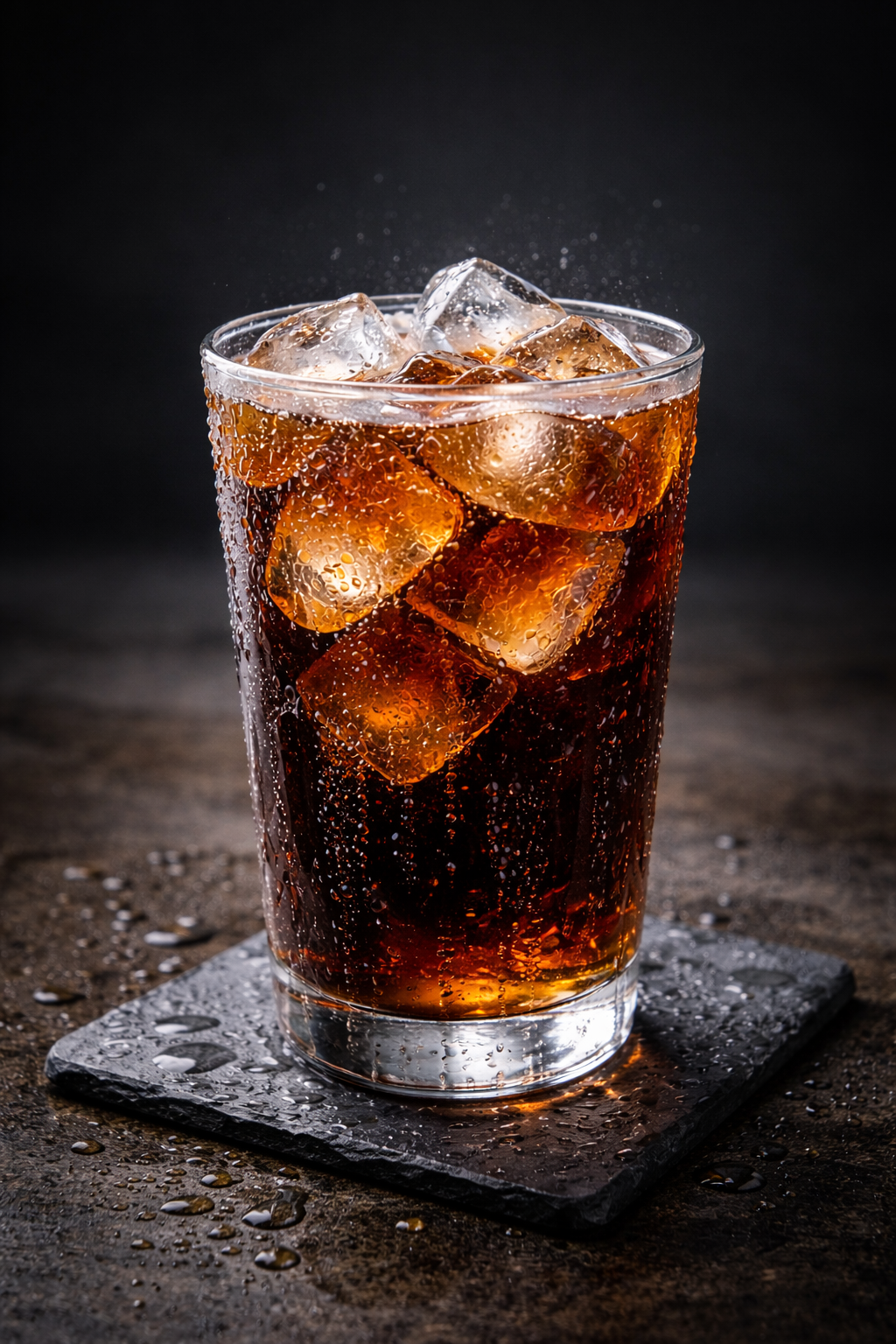
There is growing evidence that high consumption of artificial sweeteners may have unintended metabolic and cardiovascular effects.
The science behind the sweetness
Most zero‑calorie fizzy drinks rely on artificial sweeteners such as aspartame, acesulfame potassium and sucralose instead of sugar. These compounds are hundreds to thousands of times sweeter than sugar yet contribute almost no calories. This may sound ideal: sweet taste without calories or weight gain. However, the body does not always respond the way we would expect.
What research suggests
Large long‑term studies have linked higher intake of artificial sweeteners to increased risk of cardiovascular disease and stroke. Population data have also suggested an association between frequent consumption of artificially sweetened beverages and higher rates of obesity, type 2 diabetes, hypertension and metabolic syndrome. Research also indicates that artificial sweeteners can increase cravings for sweet foods and interfere with appetite regulation, causing people to eat more calories overall. Some work suggests these ingredients may affect insulin response and brain signalling related to hunger. Although regulatory bodies consider most artificial sweeteners “safe”, there is growing evidence that high consumption may have unintended metabolic and cardiovascular effects. The absence of calories does not necessarily mean there are no consequences.
Why do we choose it anyway?
Many people reach for this drink because it satisfies a sweet craving without the immediate calorie load. The cold, carbonated sensation can be especially refreshing up in the air. The caffeine provides a quick boost on early flights or during long duty days. It can also feel like a comforting ritual, a treat that signals a break or a moment of pleasure in a demanding environment. Each of these motivations is understandable.
What it doesn’t give you
Unlike whole foods or beverages made from natural ingredients, zero‑calorie fizzy drinks offer no nutrients - no vitamins, minerals or antioxidants. They also offer little in the way of hydration, especially if consumed in place of water. Over time, the sweetness without calories can distort the body’s hunger and satiety cues, making it harder to maintain a stable diet.
Healthier Swaps
There are other options that can satisfy the need for something sweet or refreshing without relying on artificial sweeteners. Sparkling water with a twist of lemon and a few mint leaves can be very refreshing. Cold brew coffee or green tea over ice can supply a caffeine lift along with antioxidants. I am sure your cabin crew would not mind preparing these drinks for you, as all of those items are often available on board*.
The key is to ask politely, trust me, that works every time! :)
Stay Healthy.
Ivana
* main Middle Eastern carriers and private jets I worked on.