Fuel, Not Just Food: A Different Way to Think About Nutrition
If you work in aviation, you already understand the importance of fuel quality. Aircraft performance, reliability, and safety depend on using the right fuel, chosen intentionally, not whatever happens to be closest or easiest in the moment. The same principle applies to the human body, even though it’s something we tend to overlook in everyday life.
Food is more than something that keeps hunger at bay. It shapes how we function, how we feel, and how we show up. What we eat adds up over time. It shapes our energy, focus, mood, and how well we handle stress. When the body isn’t getting the support it needs, it doesn’t fail overnight; it shows up gradually as low energy, slower recovery, or the sense that everyday things feel harder than they used to.
Because aviation isn’t consistent by nature, having a simple nutritional baseline is important. Not a strict plan or a set of rules, but a familiar way of eating that your body knows and feels good on. Something steady you can come back to between trips, time zones, and life changes. Over time, it becomes less about following rules and more about trusting that you know what supports you, even when everything else keeps on changing.
Certain foods just make it easier to feel steady through the day. Protein-rich meals help you stay satisfied and reduce that constant urge to snack for quick energy. Eggs, fish, chicken, yoghurt, beans, and tofu are everyday options that support energy and recovery. Carbohydrates that digest more slowly, like oats, rice, quinoa, or sweet potatoes, tend to keep focus more stable instead of sending energy up and down. When meals also include vegetables, fruit, and healthy fats like olive oil or nuts, they usually feel more complete. It doesn’t require precision or perfect planning. Over time, you simply learn which foods help you feel steady, clear, and supported.
Some foods can make it harder to stay steady, especially when they become everyday habits. Large amounts of sugar often bring quick bursts of energy followed by noticeable dips. Highly refined carbs can feel helpful in the moment, then cause a drop in focus. Too much caffeine can overstimulate the nervous system, and heavy fried foods tend to make us feel sluggish. You don’t need to avoid these foods completely, just notice how they affect you.
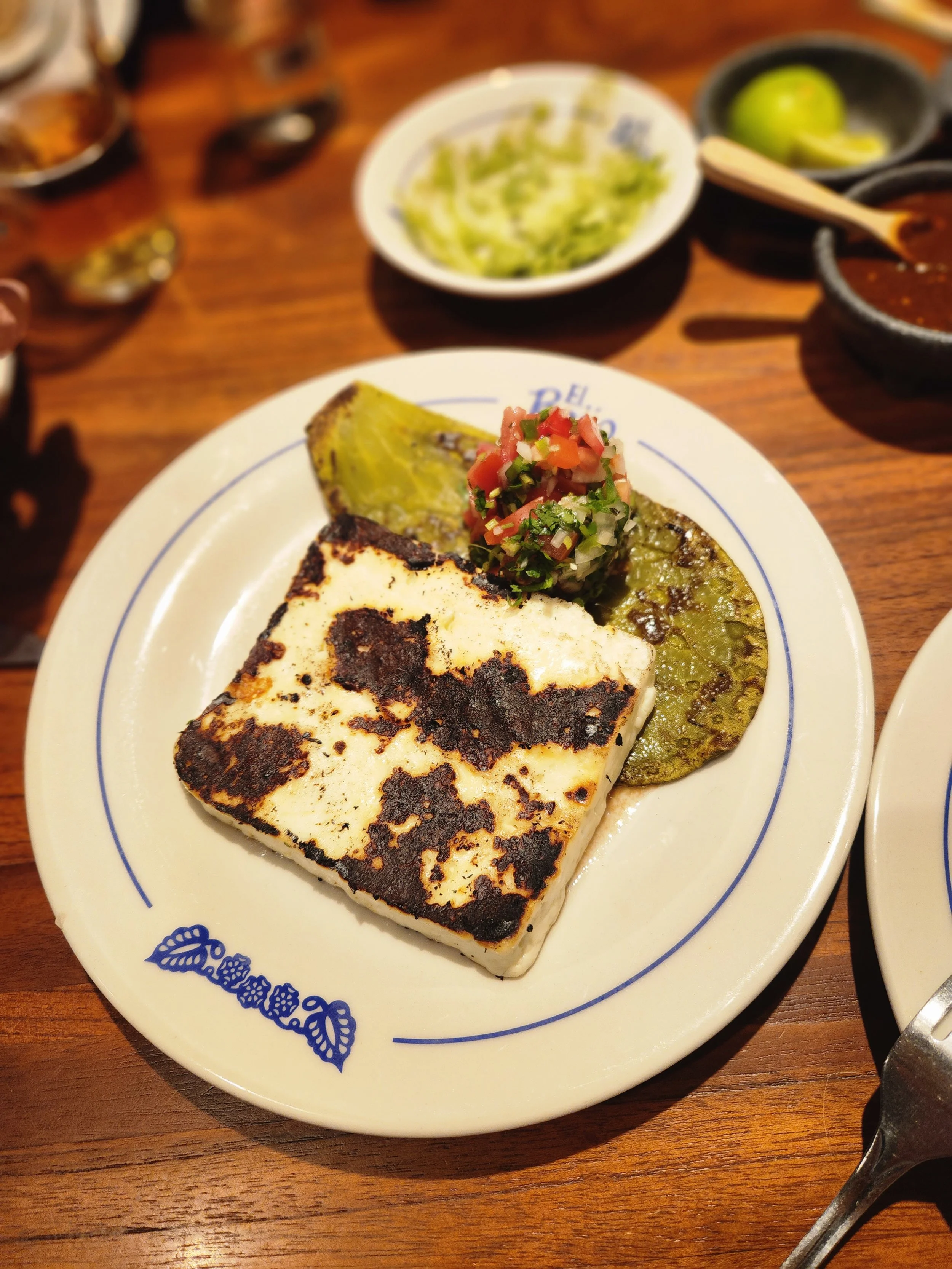
I fell in love with this “Ensalada de nopalitos y panela” in Mexico City. Panela (white cheese) is rich in protein and Nopalitos (sliced cactus) are a superfood packed with vitamins A, C, and K, as well as fiber and calcium.
Over time, the body offers feedback. Some meals leave you feeling clear, present, and comfortable in your body. Others make their opinion known very clearly. I know, for example, that I simply don’t function well after eating pasta or rice. No matter how delicious they are, they leave me feeling sleepy and lethargic. This becomes especially noticeable when you have a close friend who loves cooking Italian food and a Spanish husband who makes a beautiful paella from scratch. Saying no isn’t always easy, and I don’t always succeed, but I can certainly feel the consequences afterwards. At this point, I’m fairly certain naps were invented as a response to meals like these - enjoyable in the moment, but not exactly supportive of alertness :)
This kind of awareness changes the relationship with food. It changes the focus away from right and wrong and towards understanding and choice. And that matters even more in aviation, because flying and travelling offer something special: the opportunity to experience other cultures through their food.
Meals are often the most direct way we connect with a place. They tell stories about history, climate, family, and tradition. Sharing food, trying local dishes, and sitting at a table with others is part of the richness of this profession. Nourishment should never mean missing out on that. Exploring cuisines, enjoying meals with colleagues, friends, and family, and celebrating moments through food all belong here.
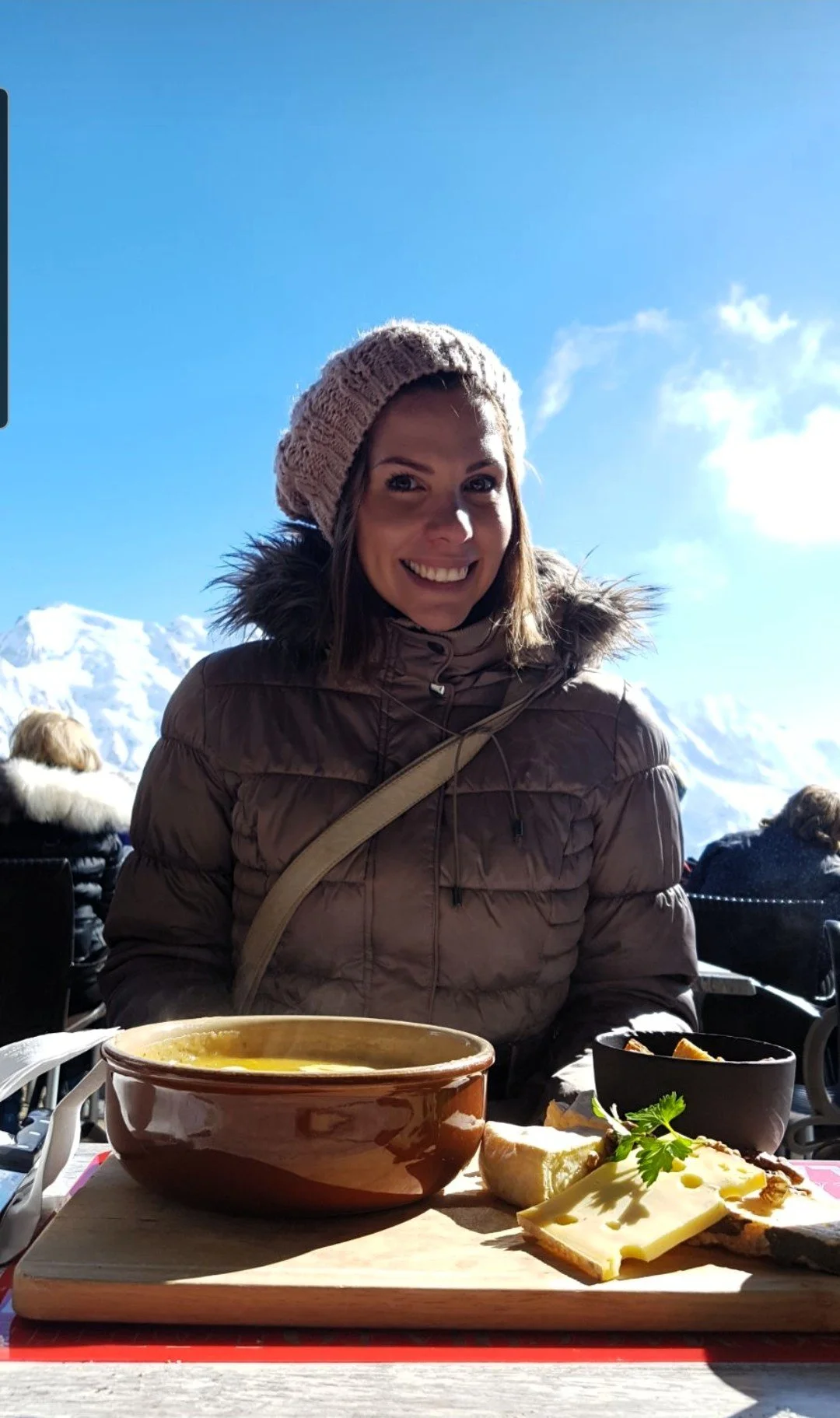
Balance, French style: soup full of veggies and fibre, accompanied by cheese. Because… when in France 😉 (Chamonix, 2019)
This is why nutrition in aviation needs to be about nourishment, not restriction. Not about control, guilt, or perfection, but about awareness and flexibility. When you understand how food makes you feel, you can enjoy those cultural experiences fully, while also knowing how to support your body before and after. Both can exist at the same time.
Much like aircraft fuel is chosen for reliability and performance rather than perfection, nourishment is about consistency and support over time. When food works with you rather than against you, it supports not only how you perform in aviation, but how you experience life around it.
Stay nourished,
Ivan a